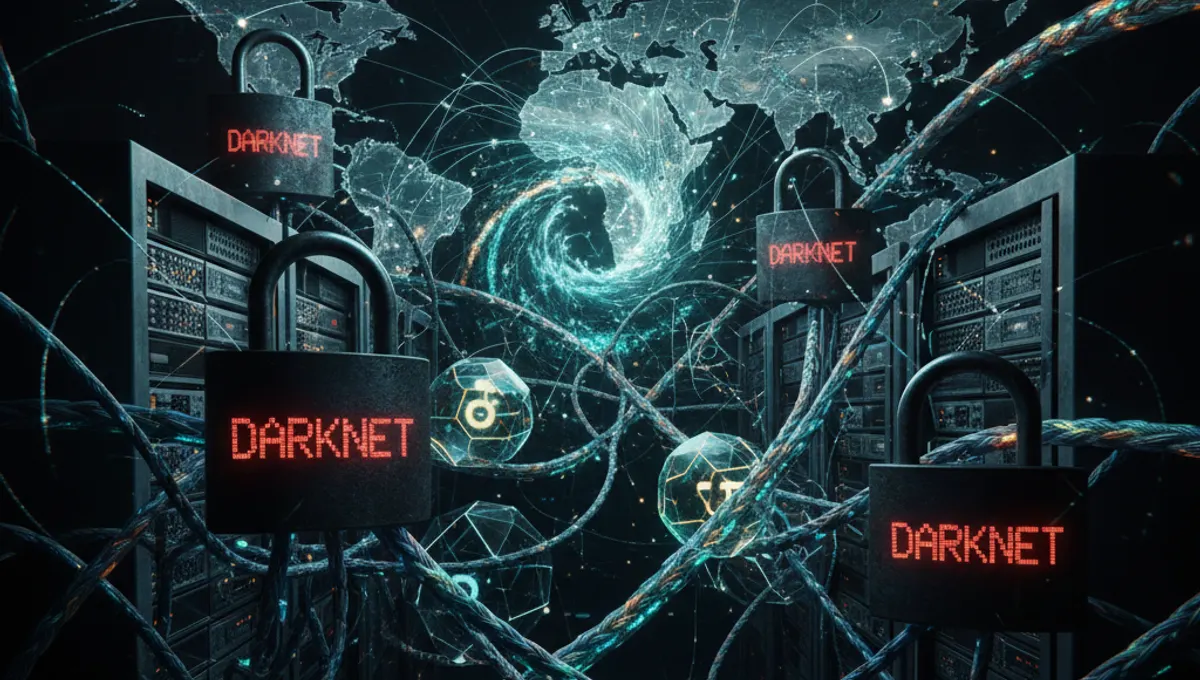
What Dark Web Horror Content Actually Is
Dark web horror typically refers to three categories: illegal marketplaces, extreme content, and scams. Illegal marketplaces operate openly but are frequently raided by law enforcement. Extreme content—gore, violence, exploitation—exists but is rarer than urban legend suggests; most dark web traffic involves mundane activities like privacy-focused communication and information sharing. Scams are ubiquitous: fake vendors, exit scams, and phishing attempts target users constantly. The sensationalism comes from media coverage that treats isolated incidents as representative of the entire network. In reality, the dark web hosts forums, whistleblowing platforms, privacy tools, and news sites alongside criminal activity. Understanding this distinction helps you assess actual risk rather than react to hype.
Common Dark Web Horror Myths Debunked
Several persistent myths distort perception of the dark web. The claim that you can hire hitmen on Tor is largely fabricated; law enforcement has caught few credible cases. The notion that viewing certain sites automatically exposes you to prosecution is false—accessing a site is not a crime; the content or transaction matters. The idea that the dark web is a single unified marketplace is incorrect; it's a fragmented collection of independent sites with varying legitimacy. Another myth: that anonymity is absolute on Tor. It isn't. Metadata, browser fingerprinting, and user behavior can compromise anonymity. The horror narrative often stems from sensationalized documentaries and clickbait articles rather than documented evidence. Researchers and journalists who study the dark web systematically find far less extreme activity than popular culture suggests, though serious criminal infrastructure does operate there.
Real Risks: What You Should Actually Worry About
Documented risks on the dark web are concrete and worth understanding. Law enforcement actively monitors Tor; accessing illegal content or services can result in prosecution. Malware is common; malicious actors distribute trojans, ransomware, and keyloggers disguised as legitimate tools or files. Scams are endemic: vendors disappear with payment, counterfeit goods are sold, and phishing attacks target credentials. Exit scams occur regularly when marketplace operators vanish with customer funds. Doxing is a real threat; users have been identified and targeted through operational security failures. Financial loss is the most frequent harm; users lose money to fraud far more often than they encounter extreme content. Law enforcement has successfully prosecuted dark web users for drug trafficking, weapons sales, and exploitation material. The actual danger is not encountering horror content by accident but making poor security decisions or engaging in illegal transactions.
Security Practices That Actually Protect You
If you access the dark web, specific practices reduce risk significantly. Use Tor Browser, the official tool maintained by the Tor Project; do not use modified or third-party versions. Run Tor on a dedicated virtual machine or use Tails, a live operating system designed for anonymity. Combine Tor with a VPN for additional privacy, though this is debated among security experts; use a reputable VPN that does not log traffic. Disable JavaScript in Tor Browser to prevent certain exploits. Keep your operating system and all software updated. Never maximize your browser window; fingerprinting attacks use screen resolution to identify users. Do not open documents downloaded from Tor in your main operating system; malware can exploit vulnerabilities. Use strong, unique passwords for each onion site. Enable two-factor authentication where available. Assume every site could be a honeypot or scam. Never enable plugins or extensions. Do not torrent over Tor; it leaks your IP address. These practices address actual vulnerabilities, not imaginary horrors.
How Law Enforcement Operates on Tor
Understanding law enforcement tactics clarifies real consequences. Agencies run honeypot sites to identify users; they monitor marketplace transactions and communications. They use subpoenas to compel VPN and hosting providers to reveal user data. They conduct correlation attacks, analyzing traffic patterns to link Tor users to their real identities. They infiltrate marketplaces and forums, posing as vendors or users. They exploit operational security failures; users who reuse usernames, mention real-world details, or use weak passwords are identified. They cooperate internationally; a user in one country can be prosecuted by another. They have successfully prosecuted thousands of dark web users for drug trafficking, weapons sales, and exploitation material. Convictions typically rely on evidence of transactions, communications, or hosted content rather than mere access to Tor. This is not speculation; these are documented cases with public records. The takeaway: law enforcement presence on Tor is real and active, making illegal activity genuinely risky.
Comparing Dark Web Websites: Legitimacy Spectrum
Dark web sites exist on a spectrum from legitimate to criminal. Legitimate sites include news outlets, privacy organizations, and whistleblowing platforms like those operated by established journalists. Semi-legitimate sites include forums for privacy discussion, hacking communities, and technical research. Questionable sites include marketplaces claiming to sell legal goods but often hosting illegal items. Criminal sites include drug markets, weapons dealers, and exploitation material. Determining legitimacy requires research: check if the site is referenced by credible sources, whether it has been operational for years, and whether user reviews on forums are consistent. Be skeptical of new sites; many are scams or law enforcement operations. Avoid sites that pressure you to act quickly or offer deals that seem impossible. The best dark web websites from a security perspective are those with transparent operators, established reputations, and clear policies. However, even established sites are compromised or exit-scam regularly. No dark web site is inherently trustworthy.
What to Do If You Encounter Disturbing Content
If you encounter extreme content on Tor, your response matters legally and ethically. Do not download, share, or interact with the content. Close the browser tab immediately. Do not report it to the site operator; this may flag your account. If the content involves child exploitation, report it to the National Center for Missing and Exploited Children (NCMEC) in the US or equivalent organizations in your country; they have secure reporting mechanisms. Do not attempt to investigate further or contact other users about it. Do not discuss specifics publicly, as this can spread the content. Understand that accidental exposure to disturbing content while browsing Tor is possible but uncommon if you avoid obvious red flags. Intentional seeking of extreme content is a different matter and carries legal consequences in most jurisdictions. Your emotional response to disturbing content is normal; consider speaking with a counselor if exposure affects you significantly. The key is to disengage quickly and report appropriately rather than engage or ignore.
Frequently asked questions
Is the dark web actually as dangerous as people say?
The dark web has real risks—law enforcement presence, scams, and malware are documented. However, sensationalized media coverage exaggerates the prevalence of extreme content and criminal activity. Most dark web traffic is mundane. Actual danger comes from poor security practices and illegal transactions, not from accidentally viewing disturbing content.
Can I be prosecuted just for accessing Tor?
No. Accessing Tor is legal in most countries. Prosecution requires evidence of illegal activity—purchasing illegal goods, distributing exploitation material, or hosting illegal content. Simply using Tor or visiting onion sites is not a crime. However, law enforcement monitors Tor, so engaging in illegal activity carries real consequences.
What's the safest way to access the dark web?
Use Tor Browser from the official Tor Project website. Run it on a dedicated virtual machine or Tails OS. Combine with a reputable VPN if desired. Disable JavaScript, keep software updated, and never maximize your browser window. Assume every site could be a scam or honeypot. These practices address actual vulnerabilities.
Are dark web marketplaces real or mostly scams?
Both exist. Some marketplaces operate for extended periods before exit-scamming or being shut down by law enforcement. Others are scams from inception. Many are honeypots run by law enforcement. Transactions carry high risk of financial loss or legal consequences. No marketplace is inherently trustworthy.
What should I do if I see illegal content on Tor?
Close the tab immediately. Do not download, share, or investigate further. If the content involves child exploitation, report it to NCMEC or your country's equivalent organization. Do not report to the site operator or discuss specifics publicly. Accidental exposure while browsing is possible; intentional seeking carries legal consequences.