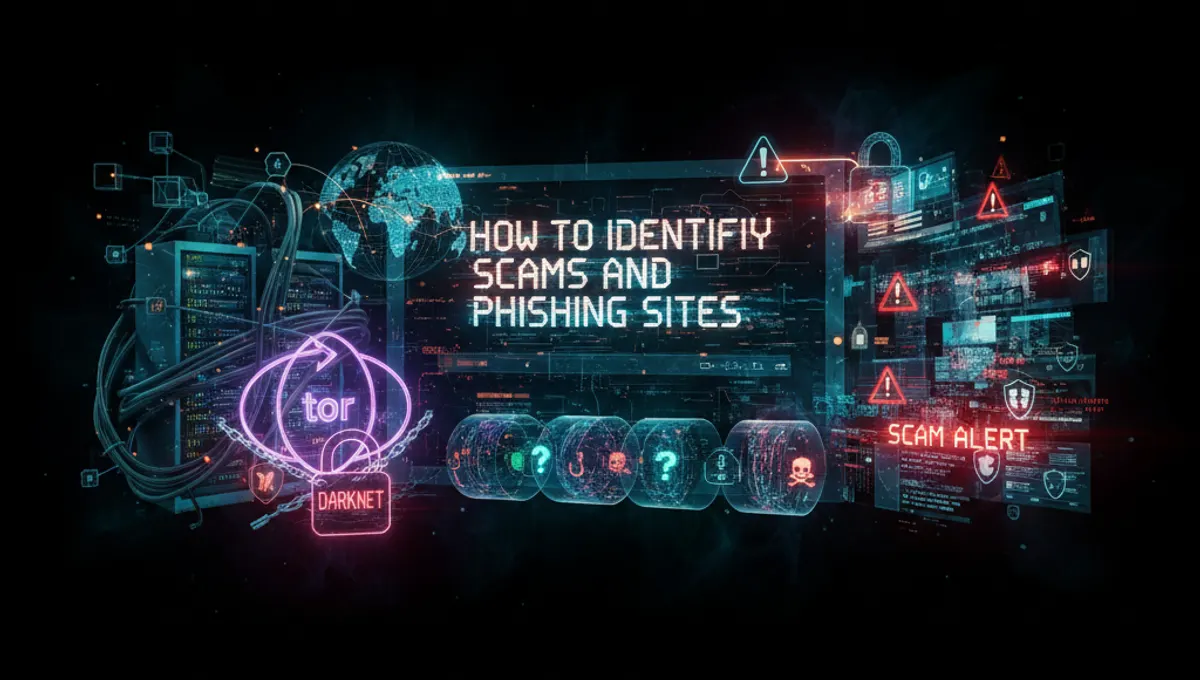
What Is a Fake Dark Web Page
A fake dark web page is a fraudulent website hosted on the Tor network that mimics legitimate services, marketplaces, or forums. Attackers create these sites to phish login credentials, distribute malware, or conduct exit scams where they collect funds and disappear. Unlike a legitimate dark web page, fake sites often have subtle differences: misspelled onion addresses, poor design quality, or requests for unusual personal information. The dark web page ecosystem attracts scammers because anonymity makes accountability difficult. Victims may not realize they've been compromised until funds vanish or their data appears in breaches. Common targets include marketplace users, cryptocurrency holders, and people seeking anonymous services.
Common Tactics Used in Fake Dark Web Websites
Scammers employ several deception methods on fake dark web websites. Domain spoofing involves registering onion addresses that closely resemble legitimate ones—for example, changing a single character or using homoglyphs (visually similar characters). Phishing pages replicate login screens of real marketplaces or forums to capture usernames and passwords. Exit scams occur when operators collect deposits or payments, then shut down the site and vanish with funds. Malware distribution disguises trojans or keyloggers as legitimate software downloads. Social engineering tactics manipulate users into revealing sensitive information through fake support messages or urgent warnings. Fake escrow services promise to hold funds safely but steal them instead. These tactics exploit the assumption that the dark web page you're visiting is trustworthy simply because it exists on Tor.
How to Identify a Fake Dark Web Page
Verify onion addresses carefully before accessing any dark web page. Copy and paste the address from a trusted source rather than clicking links in forums or messages. Check for HTTPS and valid security certificates—legitimate sites use them. Examine site design and functionality: poor grammar, broken links, or outdated layouts are red flags. Look for inconsistencies with known legitimate versions of the top dark web pages you're trying to access. Legitimate marketplaces and forums have established reputations and consistent user bases; new or unfamiliar sites warrant extra caution. Cross-reference information on multiple sources before trusting a dark web page. Check community forums and subreddits where users discuss current, verified onion links. Be suspicious of sites requesting unusual personal information, cryptocurrency payments without clear purpose, or immediate action under time pressure. Legitimate services rarely demand urgent decisions.
Security Practices to Avoid Fake Dark Web Sites
Use a dedicated virtual machine or operating system like Tails or Whonix when accessing the dark web page ecosystem. These isolate your activity from your main system and leave no persistent traces. Enable JavaScript protection in Tor Browser settings to prevent certain exploits. Use a VPN before connecting to Tor for additional anonymity, though this adds latency. Never maximize your browser window—fingerprinting attacks can identify you based on screen resolution. Disable plugins and extensions that might leak your identity. Use strong, unique passwords for each dark web page account, stored in a password manager like Bitwarden. Enable two-factor authentication where available. Never download files unless absolutely necessary, and scan them with antivirus software in an isolated environment. Avoid running multiple applications simultaneously on the same machine while accessing Tor. Keep your operating system and all software updated to patch security vulnerabilities.
Recognizing Phishing and Social Engineering on the Dark Web
Phishing messages often impersonate site administrators or support staff, claiming your account has been compromised or requires verification. Legitimate services never ask for passwords via message. Be wary of unsolicited contact offering deals, investment opportunities, or exclusive access. Scammers use urgency and fear to bypass rational decision-making. Verify any official announcements by visiting the site directly rather than clicking links in messages. Check if the sender's account has a verified status or long history on the platform. Legitimate dark web page administrators use pinned announcements and official channels, not private messages. Be skeptical of requests to move conversations off-platform to encrypted messaging apps—this isolates you from community oversight. Never share private keys, seed phrases, or cryptocurrency wallet information with anyone. Legitimate services have no reason to request this data. If something feels rushed or pressured, it's likely a scam.
What to Do If You Encounter a Fake Dark Web Page
Stop interacting with the site immediately if you suspect it's fraudulent. Do not enter credentials, download files, or send funds. If you've already entered information, change your passwords on legitimate platforms right away. Document the onion address and report it to the community through trusted forums or the Tor Project if it's impersonating official services. Alert other users in relevant communities about the fake dark web website to prevent further victims. If you've sent cryptocurrency, check the transaction on the blockchain—most transfers are irreversible, but reporting to exchanges may help prevent the scammer from cashing out. Monitor your accounts and financial statements for unauthorized activity. Consider placing a fraud alert with credit bureaus if personal information was compromised. Use the verified market links section on this site to confirm legitimate addresses for services you use regularly. Keep records of the incident for your own reference and to help law enforcement if you choose to report it.
Comparing Legitimate vs. Fake Dark Web Pages
Legitimate dark web pages maintain consistent uptime, responsive administrators, and active user communities. They have established histories, user reviews, and transparent policies. Fake dark web websites often disappear suddenly, have minimal user activity, or show signs of recent creation. Legitimate marketplaces use escrow systems and dispute resolution processes. Fake sites skip these protections or implement them poorly. Real forums have moderation, clear rules, and long-term member participation. Fraudulent ones may have sparse activity or suspicious uniformity in posts. Legitimate services provide clear contact methods and respond to support requests. Fake dark web pages ignore inquiries or provide vague responses. Check the Verified Market page on this site for current, tested onion links to compare against suspicious sites you encounter. Legitimate platforms invest in security updates and communicate about maintenance. Fake sites rarely announce changes or improvements. Trust your instincts: if a dark web page feels off, it probably is.
Frequently asked questions
How do I know if a dark web page is real or fake?
Verify the onion address from trusted sources, check for HTTPS and valid certificates, examine site design for consistency, and cross-reference information in community forums. Legitimate sites have established reputations and responsive administrators. Fake dark web pages often have poor design, broken links, or requests for unusual information.
Can I recover funds if I sent cryptocurrency to a fake dark web website?
Most cryptocurrency transactions are irreversible once confirmed. However, you can report the scam to exchanges where the scammer might attempt to cash out. Document the transaction hash and report it to relevant communities. Law enforcement may investigate in some cases, but recovery is unlikely.
What's the best way to access legitimate dark web pages safely?
Use Tor Browser on a dedicated virtual machine or Tails OS. Enable a VPN before connecting to Tor. Never maximize your browser window. Disable JavaScript and plugins. Use strong, unique passwords and two-factor authentication. Verify onion addresses from trusted sources before accessing any dark web page.
Are all dark web pages illegal or dangerous?
Not all dark web pages are illegal. Many serve legitimate purposes: privacy-focused communication, circumventing censorship, and secure information sharing. However, the anonymous nature attracts scammers and illegal activity. Exercise caution, verify sources, and follow security practices regardless of the site's purpose.
What should I do if I clicked a link to a fake dark web page?
Close the browser immediately and do not enter any information. If you already entered credentials, change your passwords on legitimate platforms. Monitor your accounts for unauthorized activity. Report the fake dark web website to community forums and check the Verified Market page on this site for legitimate addresses.