What People Actually Claim About Free Money on Dark Web
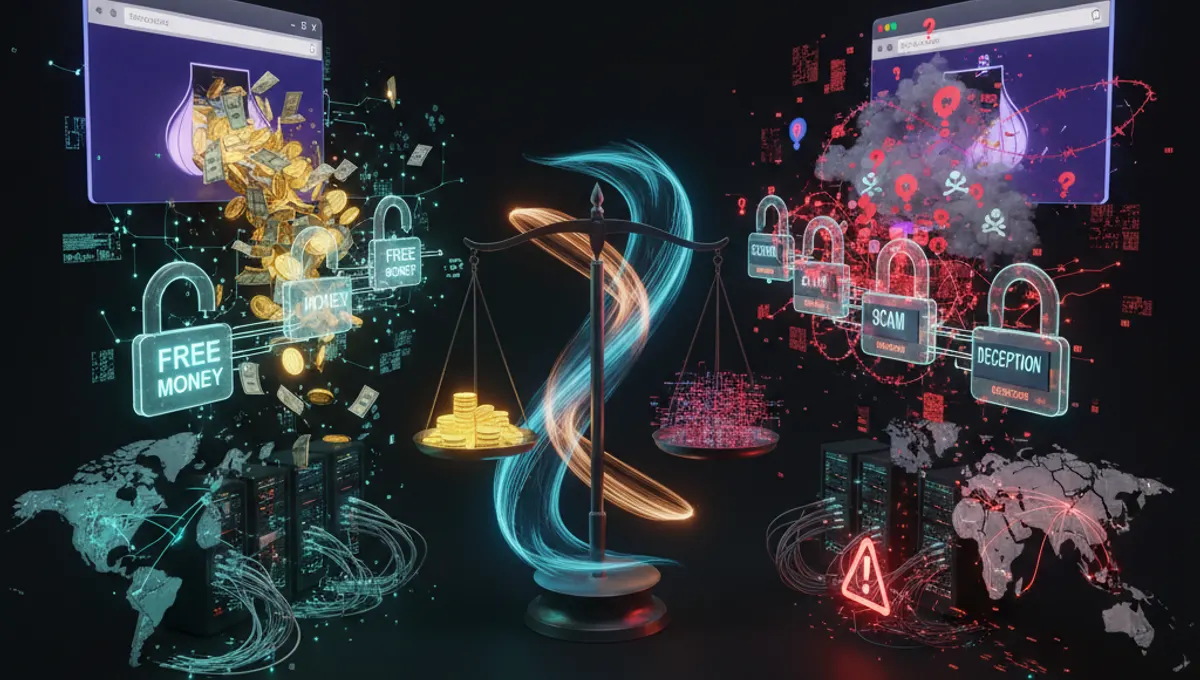
Searches for free money on the dark web typically lead to a few recurring categories: cryptocurrency giveaways, data dumps marketed as valuable information, bug bounty programs, and loan offers. Some claim to distribute unclaimed government funds or inheritance money. Others advertise free access to stolen credit card databases or bank account credentials. A smaller subset involves legitimate but obscure opportunities like peer-to-peer lending platforms or cryptocurrency faucets that operate on Tor. The problem is distinguishing real opportunities from elaborate phishing schemes designed to harvest your personal information, wallet credentials, or banking details. Most free money claims require you to provide identifying information first, which is the actual goal.
How Dark Web Scams Target People Seeking Free Money
Scammers exploit the dark web's anonymity to operate without accountability. They create professional-looking sites mimicking legitimate services, use social engineering to build false trust, and employ multiple layers of misdirection. A typical flow: you find a site promising free cryptocurrency or unclaimed funds. You're asked to verify your identity, create an account, or deposit a small amount to unlock the larger payout. Once you provide information or money, communication stops. Your data enters criminal supply chains for identity theft, account takeovers, or sale to other fraudsters. The dark web's lack of regulation means no recourse exists. Scammers operate across multiple sites simultaneously, abandoning compromised addresses and launching new ones regularly. The anonymity that protects legitimate privacy advocates also shields criminals from law enforcement.
Legitimate Opportunities vs. Obvious Red Flags
Legitimate opportunities on the dark web are rare but exist. Bug bounty programs run by security researchers sometimes operate on Tor. Cryptocurrency communities occasionally distribute tokens to early participants. Some peer-to-peer lending platforms accept Tor users. However, legitimate services share common traits: they're transparent about how they operate, they don't require upfront payments to receive free money, they have verifiable histories, and they don't ask for sensitive personal information unnecessarily. Red flags include: requests for identity documents before any payout, pressure to act quickly, promises of unrealistic returns, sites with poor design or grammar errors, no way to contact support, and requirements to download software or access links outside the main site. If a site guarantees free money with minimal effort, it's almost certainly a scam. Real opportunities involve work, verification, or genuine risk-sharing.
Security and Anonymity: Protecting Yourself While Exploring
If you're researching dark web opportunities, protect yourself with layered security. Use Tor Browser through a reliable VPN connection first, then connect to Tor—this prevents your ISP from knowing you're using Tor. Run everything inside a virtual machine or dedicated device that never connects to your main computer or personal accounts. Never maximize your browser window, as this reveals your screen resolution and can be used to fingerprint you. Disable JavaScript in Tor Browser settings. Never enable plugins or extensions. Use a separate email address created specifically for dark web research, and never reuse passwords across sites. If you encounter a site asking for money or personal information, assume it's a scam. Don't download files unless absolutely necessary, and scan them with antivirus software in an isolated environment. Most importantly: never believe promises of free money. The real cost is your security and privacy.
Common Mistakes People Make When Seeking Free Money Online
People pursuing free money often ignore basic security instincts. They reuse passwords across multiple sites, thinking anonymity on the dark web protects them—it doesn't. They provide real names, phone numbers, or email addresses tied to their identity. They click links in forum posts or messages without verifying the source. They download files from untrusted sources. They enable JavaScript or plugins in Tor Browser. They assume that because a site looks professional, it's legitimate. They believe testimonials or reviews posted on the same site. They don't research the site's history or look for complaints. They proceed despite warning signs because they're focused on the potential payout. They use the same device for dark web activity and personal banking. They don't use a VPN before connecting to Tor. Each mistake compounds the risk. The most dangerous mistake is believing that free money exists without strings attached.
Why the Dark Web Attracts Free Money Scams
The dark web's design features—pseudonymity, lack of central authority, encrypted communication, and difficulty in law enforcement—make it ideal for scammers. They can operate without fear of immediate shutdown, rebrand quickly if exposed, and communicate with victims through channels that are difficult to trace. The population seeking dark web access is often perceived as less technically savvy about security, making them easier targets. The anonymity that protects whistleblowers and dissidents also shields criminals. Scammers know that victims are unlikely to report fraud to authorities, either because they're embarrassed or because they were attempting something illegal themselves. This creates a low-risk, high-reward environment for fraud. The dark web's reputation for illegal activity also lowers people's skepticism—they assume all transactions are risky, so they don't apply normal judgment. Legitimate services on the dark web operate despite these conditions, but they're vastly outnumbered by scams.
What to Do If You've Already Been Targeted or Scammed
If you've provided personal information to a dark web scam, act immediately. Change passwords on all accounts, especially email and banking. Enable two-factor authentication everywhere possible. Monitor your credit reports through official channels for fraudulent accounts. Consider placing a fraud alert or credit freeze with credit bureaus. If money was transferred, contact your bank or payment service immediately to report fraud and attempt reversal. Document everything: screenshots, URLs, transaction IDs, and communication records. Report the scam to relevant authorities if you're comfortable doing so—law enforcement agencies increasingly investigate dark web fraud. Don't send additional money trying to recover losses or unlock frozen accounts; this is a common follow-up scam. If your information was part of a data breach, watch for phishing attempts and account takeover attempts on other services. Use a password manager to create unique, strong passwords for all accounts going forward. Consider using a credit monitoring service for added protection.
Frequently asked questions
Is there actually free money available on the dark web?
Legitimate free money opportunities on the dark web are extremely rare. Most claims are scams designed to steal your personal information or money. Real opportunities, if they exist, typically involve work, verification, or risk-sharing—not instant payouts. Any site promising free money without effort is almost certainly fraudulent.
What's the most common free money scam on the dark web?
The most common scam involves fake cryptocurrency giveaways or unclaimed fund recovery services. You're asked to verify your identity or deposit a small amount to unlock a larger payout. Once you provide information or money, the scammers disappear. Your data is then used for identity theft or sold to other criminals.
How can I protect myself while researching dark web opportunities?
Use a VPN before connecting to Tor Browser. Run everything in a virtual machine. Never maximize your browser window. Disable JavaScript. Use a separate email address. Never download files unless necessary. Most importantly, assume any free money claim is a scam until proven otherwise through independent verification.
What should I do if I've been scammed on the dark web?
Change all passwords immediately, enable two-factor authentication, monitor credit reports, and contact your bank if money was transferred. Document everything and report the scam to law enforcement if comfortable. Don't send additional money trying to recover losses, as this is a common follow-up scam tactic.
Why is the dark web full of free money scams?
The dark web's anonymity and lack of central authority make it ideal for scammers. They can operate without fear of immediate shutdown, rebrand quickly, and victims rarely report fraud. The dark web's reputation for illegal activity also lowers people's skepticism about obvious red flags.