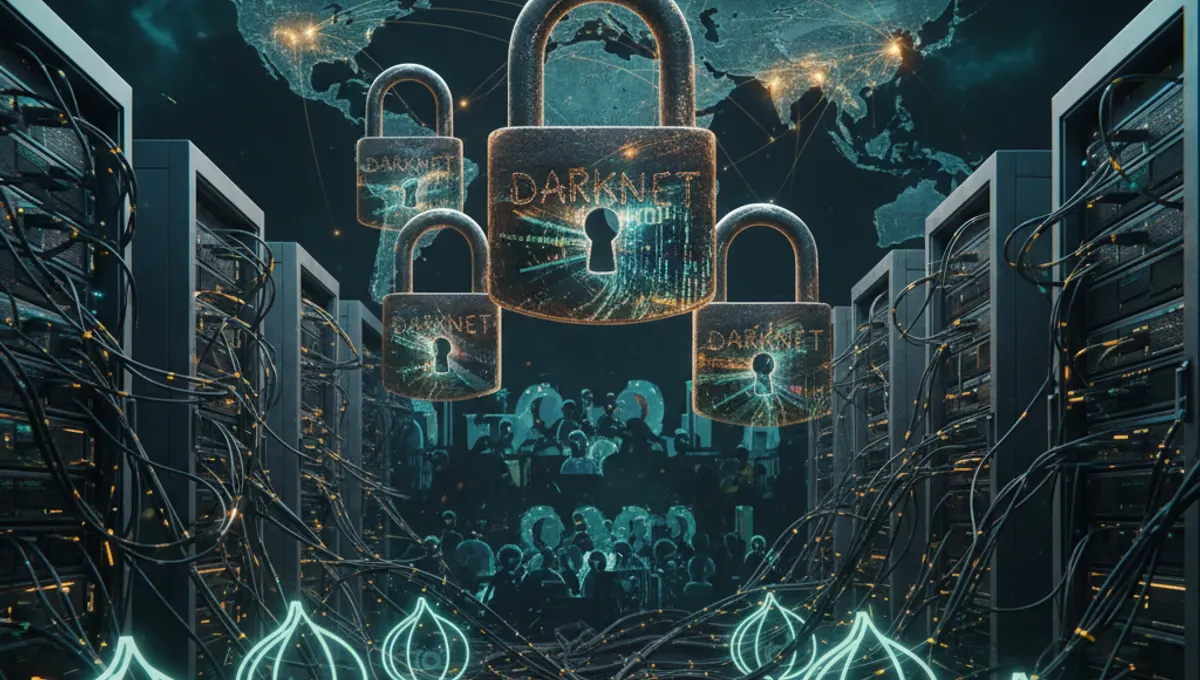
What Makes a Dark Web Site Dangerous
Danger on the dark web comes in several forms. Some sites host illegal marketplaces where stolen data, weapons, or drugs are traded. Others are scams designed to steal cryptocurrency or personal information from visitors. A third category consists of sites hosting extreme content that violates laws in most jurisdictions. The scariest sites aren't always the ones with the most dramatic names—many operate quietly, targeting specific audiences. Law enforcement agencies actively monitor these spaces, and many supposedly 'scary' sites are honeypots or abandoned projects. The real risk isn't encountering shocking content by accident; it's engaging with operators who have no incentive to honor agreements or protect your anonymity.
Illegal Marketplaces and Their Risks
Dark web marketplaces have existed since the early days of the onion network. These platforms facilitate transactions in stolen credentials, counterfeit documents, and other contraband. What makes them scary isn't just their existence but their operational model: vendors and buyers are largely anonymous, disputes have no legal recourse, and exit scams are common. Law enforcement has successfully shut down several major operations, leading to arrests and prosecutions. If you encounter marketplace sites, understand that participating exposes you to criminal liability, financial loss, and malware infection. Many marketplace operators use sophisticated techniques to evade detection, but they also employ tactics to extract money from users—fake listings, price inflation, and outright theft. The operators themselves face constant pressure from law enforcement, making the platforms unstable and unreliable.
Scam Sites and Financial Theft
Among the scariest dark web sites are those designed purely to steal money or data. These range from fake cryptocurrency exchanges to phishing pages mimicking legitimate services. Scammers exploit the anonymity of the onion network to operate without accountability. Common tactics include offering unrealistic returns on investments, selling fake documents or credentials, or posing as trusted vendors. The psychological appeal of the dark web—the sense of accessing exclusive or forbidden information—makes users more vulnerable to manipulation. Once money is sent or credentials are provided, recovery is nearly impossible. These sites often use professional design and copy to appear legitimate, and they may operate for weeks or months before disappearing. The scariest aspect is how easy it is to lose significant sums with no recourse.
Content Hosting and Legal Exposure
Some dark web sites host content that is illegal in most countries, including material depicting child exploitation, extreme violence, or other serious crimes. These sites represent genuine harm and are actively targeted by law enforcement agencies worldwide. Accessing such content is a criminal offense in most jurisdictions, regardless of intent. Even accidental exposure can create legal problems. The operators of these sites often use sophisticated anonymization techniques and operate across multiple jurisdictions to evade capture. However, law enforcement has developed methods to identify and prosecute both operators and users. The scariest reality is that visiting certain sites can result in criminal charges, even if you didn't knowingly seek out illegal material. This is why understanding what to avoid is critical.
How to Avoid Dangerous Sites: Security Practices
Protecting yourself starts with understanding that the dark web is not inherently dangerous—it's a tool. The danger comes from poor operational security and engagement with malicious actors. Use Tor Browser, the official client maintained by the Tor Project, and keep it updated. Run it on a dedicated device or virtual machine if possible. Never maximize your browser window, as this can leak your screen resolution and compromise anonymity. Disable JavaScript in Tor Browser settings. Use a VPN before connecting to Tor for additional privacy, though this adds complexity. Never download files unless absolutely necessary, and scan them with antivirus software. Don't enable plugins or extensions. Most importantly, don't assume anonymity means safety—assume every site could be a scam or honeypot. Verify information through multiple sources before trusting it. If something seems too good to be true, it is.
Comparing Dark Web Sites: Legitimate vs. Dangerous
Not all dark web sites are dangerous. Many serve legitimate purposes: privacy-focused email services, forums for discussing security, news outlets operating in censored regions, and libraries of academic papers. The difference between safe and dangerous sites often comes down to operator reputation, community feedback, and whether the site has a clear purpose beyond exploitation. Legitimate sites typically have consistent uptime, transparent communication, and community accountability. Dangerous sites often show signs of instability, make unrealistic promises, or operate with obvious deception. When evaluating any dark web site, check whether it's been mentioned in credible security research, whether it has a history of operation, and whether users report consistent experiences. Be skeptical of sites that pressure you to act quickly or make irreversible commitments. Legitimate services don't need to use urgency or fear as sales tactics.
What Law Enforcement Knows About Dark Web Activity
A critical misconception is that the dark web provides absolute anonymity. Law enforcement agencies have successfully infiltrated major dark web operations, identified operators, and prosecuted users. They use techniques including network analysis, honeypots, malware injection, and cooperation with internet service providers. Several high-profile cases have resulted in convictions, demonstrating that the dark web is not a lawless zone beyond reach. Operators of scariest sites often make mistakes—reusing usernames, leaving traces in metadata, or trusting the wrong people. Law enforcement patience is a significant factor; agencies will monitor sites for months or years before making arrests. This means that visiting or using dangerous sites creates a record that could be discovered later. The scariest reality for users isn't immediate danger but the possibility of future legal consequences. Understanding this changes how you should approach the dark web entirely.
Frequently asked questions
Is it illegal to access the dark web?
Accessing the dark web itself is legal in most countries. Using Tor Browser is legal. However, accessing specific content or engaging in illegal transactions is criminal. The dark web is a tool; legality depends on what you do with it, not on accessing it.
Can I accidentally stumble onto dangerous content?
Unlikely. The dark web doesn't have a search engine that indexes all content. You need to know specific .onion addresses or find links through forums or directories. Accidental exposure is rare unless you actively seek it or click suspicious links.
Will using Tor make me a target for law enforcement?
Using Tor is not suspicious. Millions of people use it for legitimate privacy reasons. Law enforcement focuses on specific criminal activity, not on Tor usage itself. However, engaging in illegal transactions or accessing illegal content does create risk.
What's the difference between the dark web and the deep web?
The deep web includes any part of the internet not indexed by search engines—medical records, email accounts, paywalled content. The dark web is a small part of the deep web intentionally hidden and requiring specific software like Tor to access.
How do I know if a dark web site is a scam?
Red flags include promises of unrealistic returns, pressure to act quickly, requests for payment upfront, and lack of community verification. Legitimate sites have consistent uptime, transparent operators, and user feedback. Check multiple sources before trusting any site.