Legitimate Privacy and Communication Tools
A significant portion of dark web activity involves privacy-focused services. Journalists, activists, and whistleblowers use encrypted messaging platforms and secure drop sites to communicate without surveillance. News organizations maintain onion mirrors of their websites to ensure access in countries with censorship. Libraries and archives preserve documents and research. Privacy-focused email services, VPN providers, and password managers operate on the dark web to serve users in restrictive regions. These services exist because standard internet infrastructure can be monitored or blocked. They represent the original purpose of Tor—enabling free communication in hostile environments.
Forums, Communities, and Discussion Boards
Dark web forums function similarly to Reddit or traditional bulletin boards, but with stronger anonymity protections. Users discuss technology, security, philosophy, and countless other topics. Some communities focus on hacking techniques and security research; others center on privacy advocacy or cryptocurrency. Many forums operate for years with stable moderation. However, forums also host illegal marketplaces and criminal discussion. The key distinction is that anonymity cuts both ways—it protects dissidents and also shields people engaged in harmful activity. Legitimate forums often have strict rules against illegal content, though enforcement varies.
Marketplaces and Commercial Services
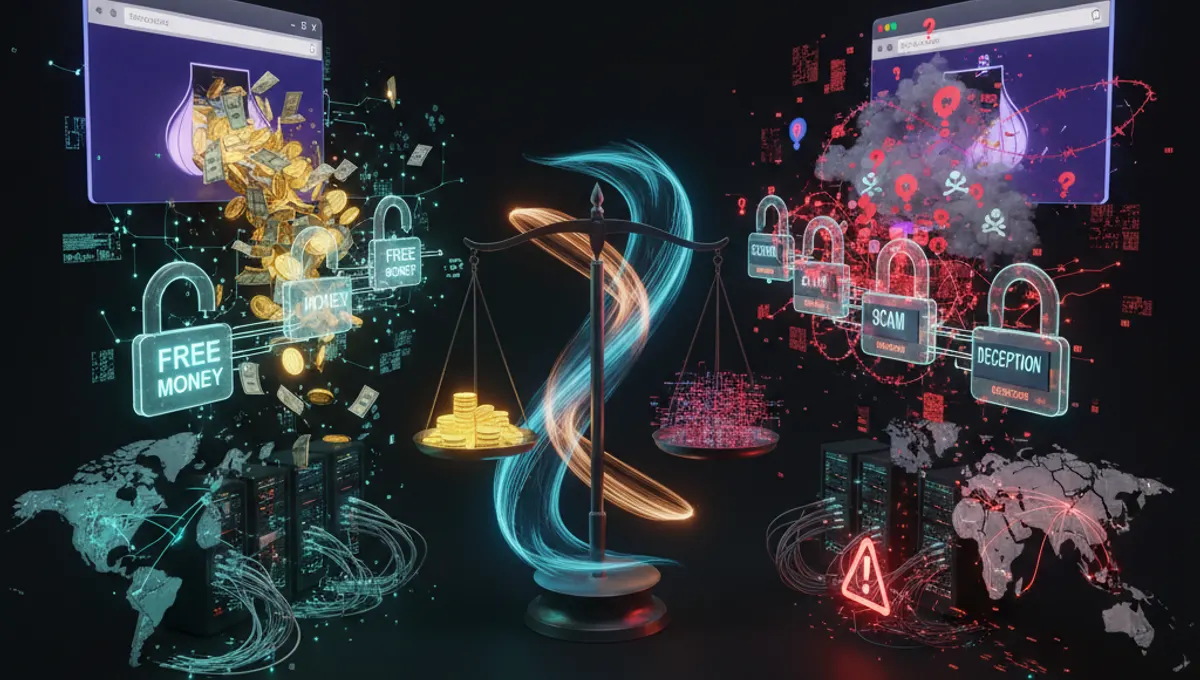
Dark web marketplaces operate like eBay or Amazon but with pseudonymous vendors and cryptocurrency payments. Some sell legal goods—books, art, electronics—with the main appeal being privacy rather than legality. Others explicitly facilitate illegal transactions: drugs, stolen data, forged documents, and weapons. Marketplaces typically use escrow systems and reputation scores to reduce fraud. Many shut down after law enforcement action; new ones emerge regularly. Prices on dark web markets are often higher than street prices due to shipping risk and middleman fees. Scams are common, and buyer protection is minimal. The scariest things on dark web often involve these marketplaces, where vendors may misrepresent products or steal payment without delivering goods.
Data Breach Archives and Leaked Information
When companies suffer data breaches, stolen information often appears on the dark web. Databases containing usernames, passwords, credit card numbers, and personal records are bought and sold. Some sites aggregate leaked data for research or verification purposes. Cybersecurity professionals monitor these archives to understand breach scope and help victims. However, accessing stolen data is illegal in most jurisdictions, even for research. Leaked information can include government documents, corporate emails, and personal records. The existence of these archives reflects the reality that once data is compromised, it circulates beyond the reach of law enforcement. Individuals can check whether their information appears in known breaches using legitimate services, without accessing dark web archives directly.
Risks, Scams, and Things to Avoid
The dark web hosts numerous scams targeting users seeking illegal goods or services. Common schemes include fake marketplaces that steal cryptocurrency, malware disguised as privacy tools, and phishing sites mimicking legitimate services. Law enforcement operates honeypot sites to identify criminals. Malware is prevalent—downloads often contain trojans or keyloggers. Extreme content exists, including material depicting violence and exploitation. Accessing such material is illegal and causes real harm. Many users lose money to scams or compromise their security through careless downloads. The scariest things on dark web often involve these risks: financial loss, legal consequences, malware infection, and psychological exposure to disturbing content. Beginners frequently underestimate these dangers.
Security and Anonymity Best Practices
Using Tor alone does not guarantee anonymity. Combine Tor with a VPN for additional protection, though this adds complexity. Never maximize your browser window—fingerprinting attacks can identify you through screen resolution. Disable JavaScript in Tor Browser settings. Use a dedicated device or virtual machine if possible. Never download files unless absolutely necessary; many contain malware. Never enable plugins or extensions. Assume any site you visit on the dark web could be operated by law enforcement. Use strong, unique passwords and consider using a password manager. Enable two-factor authentication where available. Assume your ISP can see that you're using Tor, even if they can't see your traffic. In countries with restrictive governments, using Tor itself may be risky. Things to do on the dark web safely require discipline and technical knowledge. Most casual users should avoid it entirely.
Legal and Ethical Considerations
Accessing the dark web itself is legal in most countries. Using Tor is not illegal. However, many activities on the dark web are crimes—purchasing illegal goods, accessing stolen data, distributing exploitative material. Law enforcement agencies worldwide monitor dark web activity and have successfully prosecuted users. Cryptocurrency transactions leave traces; blockchain analysis can sometimes identify buyers. VPNs and Tor do not make illegal activity consequence-free. Jurisdictional laws apply regardless of anonymity. Even accessing certain content—such as child exploitation material—is illegal and prosecuted aggressively. The ethical dimension matters too: purchasing stolen data funds further theft; buying drugs funds criminal organizations; accessing exploitative material perpetuates harm. Things to search on dark web should be weighed against legal risk and ethical impact before proceeding.
Frequently asked questions
Is everything on the dark web illegal?
No. Privacy tools, communication platforms, and legitimate marketplaces operate on the dark web. However, illegal activity is more common there than on the surface web because anonymity attracts criminals. Many services are legal; many are not. Context and intent matter.
Can I get caught accessing the dark web?
Law enforcement monitors dark web activity. If you engage in illegal transactions or access illegal content, you can be prosecuted. Cryptocurrency is traceable through blockchain analysis. Tor protects your ISP from seeing your traffic, but does not make illegal activity invisible to authorities or platform operators.
What are the scariest things on the dark web?
Extreme content depicting violence and exploitation exists. Scams targeting users are rampant. Malware is prevalent in downloads. Financial and legal consequences are real. Psychological exposure to disturbing material can be harmful. Most risks come from user error or engagement with illegal services rather than passive browsing.
Do I need a VPN with Tor?
Using Tor alone provides anonymity from website operators and your ISP. Adding a VPN before Tor adds a layer but also adds complexity and potential trust issues. Most security experts recommend Tor alone for most users, with proper browser configuration and discipline.
Can I buy things safely on dark web marketplaces?
Scams are extremely common. Vendors may steal cryptocurrency without delivering goods. Marketplaces shut down regularly. Even if a transaction completes, you have no legal recourse. Purchasing illegal goods carries criminal risk. The safest approach is to avoid dark web marketplaces entirely.